Publius Cornelius Tacitus
56CE-120CE
- Born in 56CE, Tacitus was not contemporary.
- Annales was published in 116CE.
- Tacitus doesn't mention any Pope or apostolic succession. The list of Popes says they were on their 7th Pope by 116CE.
- There are no surviving Annales originals and there are no extant manuscripts written before the 11TH century.
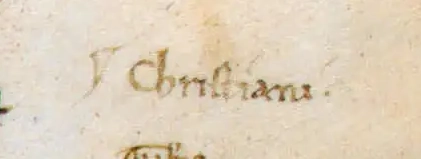
- The oldest manuscript we have contains a visible edit and a note on the side margin specifying "Christians."
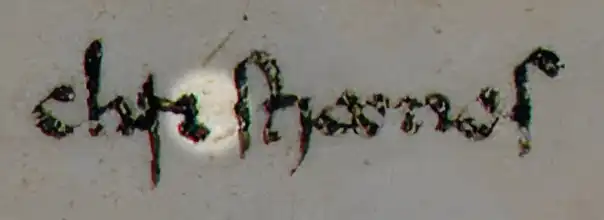
A scan done under UV light shows discoloration where the ink was scratched out. Revealing an "E".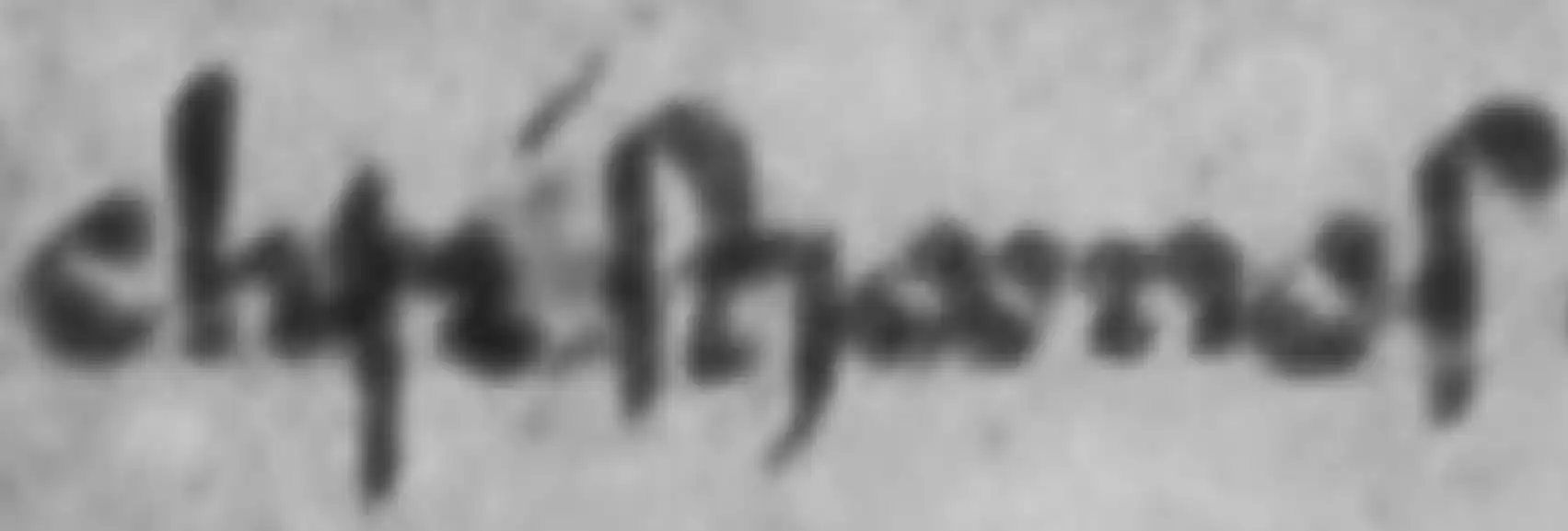
A scribe note shows the correction "Christiani" in the right margin of the page.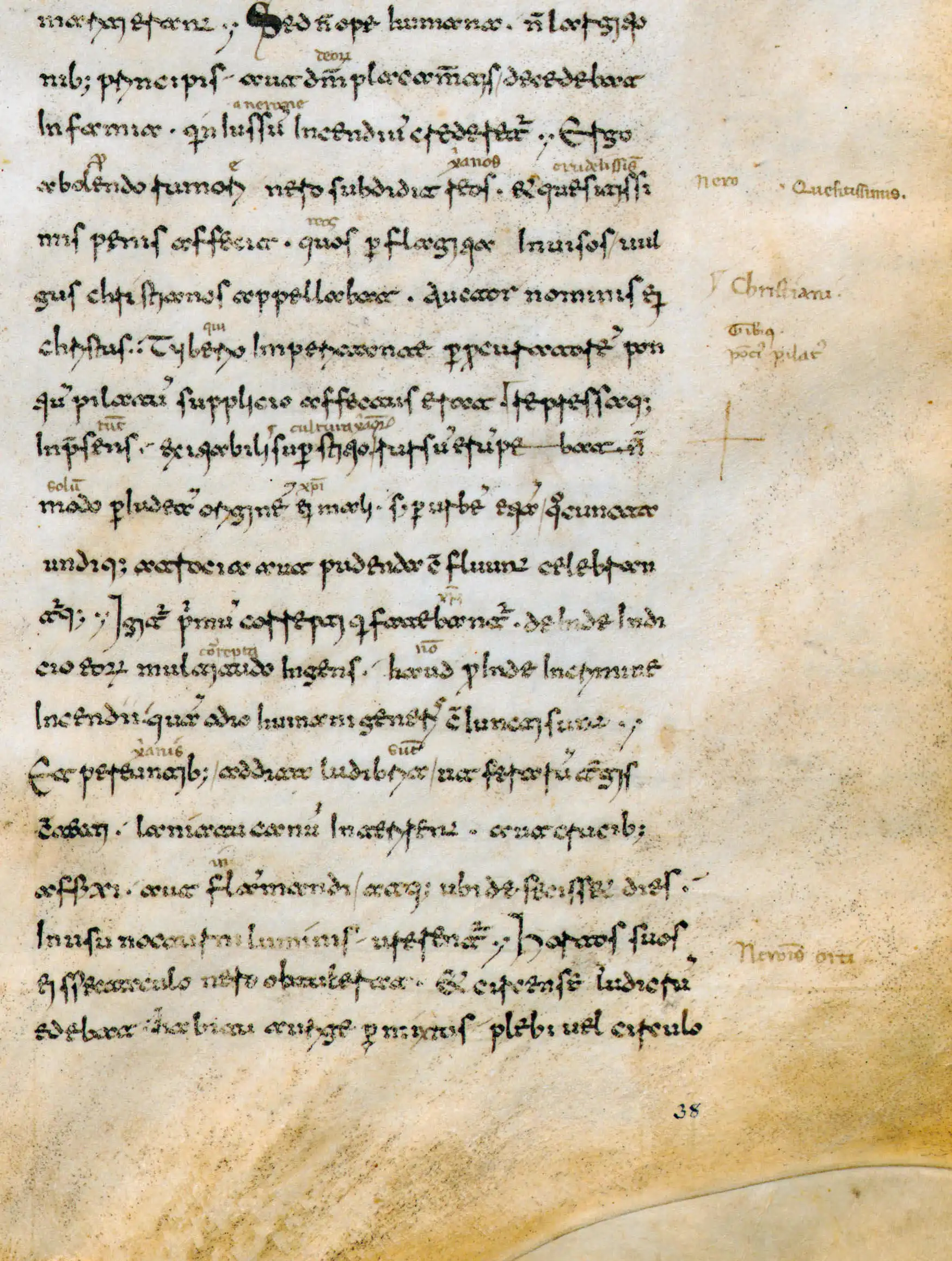
- Noting that "Chrestians" are named after "Christus" doesn't add up.
- Early Christians were terrorists that pleaded guilty, leading to an immense multitude of them being convicted.
- No other contemporary historian or figure mentions the Christians being persecuted by Nero for the fire in Rome. Suetonius writes about the fire, but doesn't associate it with the Christians.
- There is speculation that Tertullian (155CE-220CE) references Tacitus because Tertullian writes that Nero was the first to attack Christians but he doesn't offer a source, he says to "consult your histories".
- A non-contemporary, Sulpicius Severus (363CE-425CE) mentions Nero blaming the Christians for starting the fire in Rome Chronicle book 2 chapter 30. His account doesn't mention a source but there is a hypothesis that either he had an interpolated source that he was referencing, or someone took this account (which he obtained from somewhere else) and then interpolated it into the works of Tacitus. It's inconclusive.
- Tacitus had access to the Roman archives but makes several unusual mistakes:
- He doesn't provide sources for anything in the passage.
- A reference to a title (Christus/Chrestus) without a name (Jesus). This is about as useful as a gravestone that says: "Oiled."
- Instead of a date, he only provides the range of during Tiberius' reign. A window of 22 years, 5 months, 27 days. With access to the Roman archives he could have specified the date, instead this looks like someone trying to vaguely make the connection to what's stated in Luke and Evangelion.
- He doesn't mention Crucifixion, only that an unnamed person suffered the extreme penalty, but he doesn't explain why the extreme penalty was given. Crosses are mentioned as once of the punishments performed on the group, but it doesn't say that's what happened to Christ.
- Incorrectly calls Pilate a procurator, instead of a prefect in Annals 15.44. While it is true that procurator was expanded in the 40s, the first being Cuspius Fadus.
- Tacitus makes a clear distinction between the titles 19 chapters earlier in Annals book 15 chapter 25.
- The best evidence that he knew the difference are the 77 times he mentions prefects:
* Differentiates Procurators and Prefects a few chapters before making the mistake.
- The reference to and the details about Christians after specifying the Chrestians in Annales 15.44 is an interpolation. Stylometry provides additional evidence of its interpolation.
Tacitus Annales 15.44
Sed non ope humana, non largitionibus principis aut deum placamentis decedebat infamia, quin iussum incendium crederetur. ergo abolendo rumori Nero subdidit reos et quaesitissimis poenis adfecit, quos per flagitia invisos vulgus Chrestianos appellabat. auctor nominis eius Christus Tibero imperitante per procuratorem Pontium Pilatum supplicio adfectus erat; repressaque in praesens exitiabilis superstitio rursum erumpebat, non modo per Iudaeam, originem eius mali, sed per urbem etiam, quo cuncta undique atrocia aut pudenda confluunt celebranturque. igitur primum correpti qui fatebantur, deinde indicio eorum multitudo ingens haud proinde in crimine incendii quam odio humani generis convicti sunt.
But all human efforts, all the lavish gifts of the emperor, and the propitiations of the gods, did not banish the sinister belief that the conflagration was the result of an order. Consequently, to get rid of the report, Nero fastened the guilt and inflicted the most exquisite tortures on a class hated for their abominations, called Chrestians by the populace. Christus, from whom the name had its origin, suffered the extreme penalty during the reign of Tiberius at the hands of one of our procurators, Pontius Pilatus, and a most mischievous superstition, thus checked for the moment, again broke out not only in Judæa, the first source of the evil, but even in Rome, where all things hideous and shameful from every part of the world find their centre and become popular. Accordingly, an arrest was first made of all who pleaded guilty; then, upon their information, an immense multitude was convicted, not so much of the crime of firing the city, as of hatred against mankind.